How Malls in Indonesia Are Becoming Lifestyle Destinations
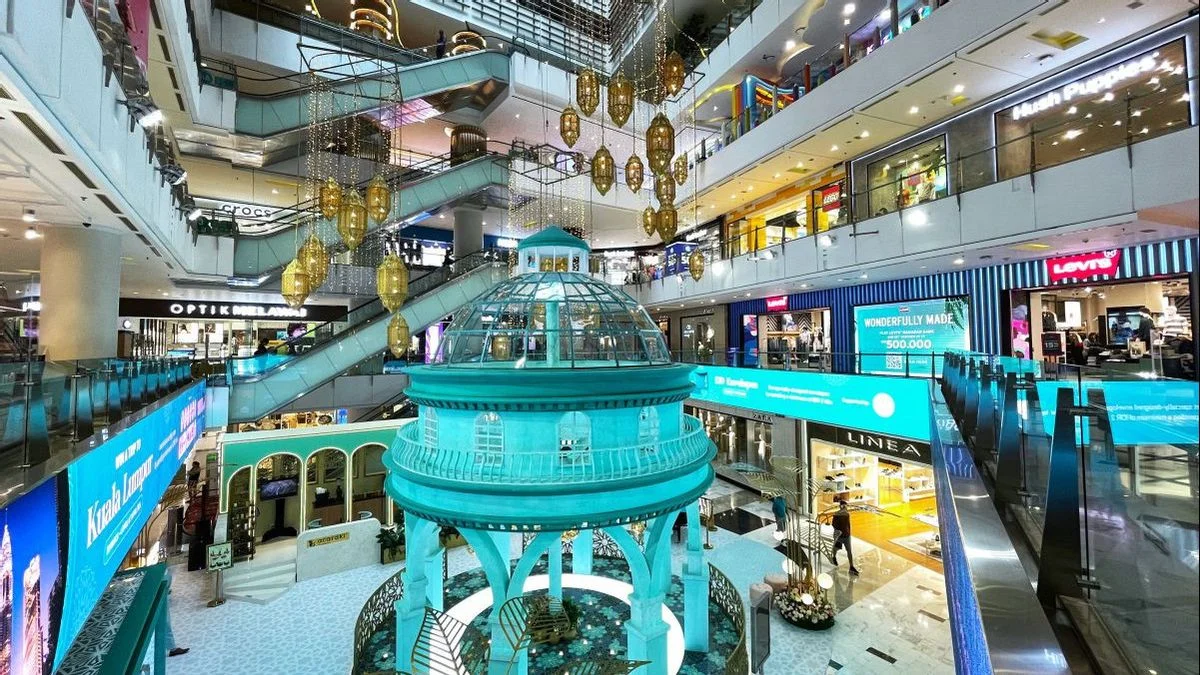
Indonesia’s mall landscape is changing. For years, malls were primarily associated with commercial activity, but today’s developments increasingly offer a broader mix of dining, entertainment, social spaces, family activities, and leisure. A visit to a modern mall can now be part of a weekend itinerary, an evening out with friends, or a family day rather than simply a quick stop for a specific purchase.
This shift is particularly noticeable in major urban and tourism destinations. Developers are paying greater attention to architecture, atmosphere, public areas, culinary concepts, entertainment, and experiences that encourage visitors to stay longer. The result is a new generation of destinations where the environment itself becomes part of the reason to visit.
How Malls Are Evolving in Indonesia
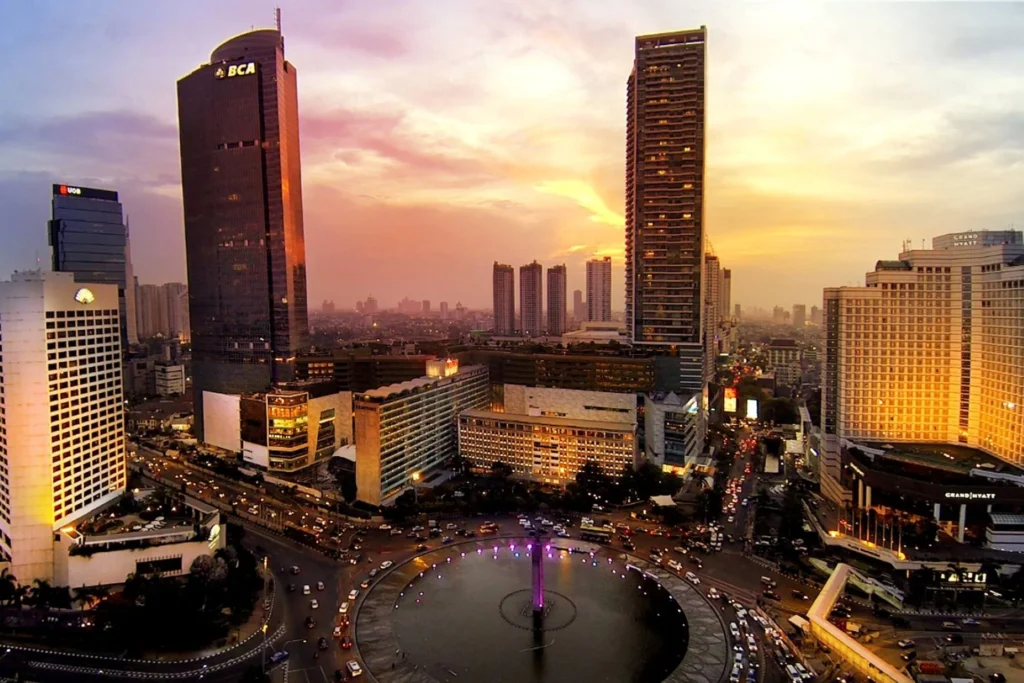
The traditional concept of a mall was relatively straightforward, bring different businesses together under one roof and provide visitors with a convenient environment. While that function remains important, expectations have changed.
People increasingly look for places where they can spend several hours comfortably. They may meet friends for coffee, have dinner with their family, watch a movie, attend an event, or simply enjoy an attractive environment. This means the modern mall has to provide more reasons for visitors to stay beyond its commercial functions.
This development is part of a wider transformation in Indonesia’s urban lifestyle. As cities become busier and leisure time becomes more valuable, multifunctional destinations can offer convenience by combining several experiences in one location.
From Shopping Centers to Lifestyle Destinations
The idea of a lifestyle mall indonesia concept is closely connected to this transformation. Instead of designing a destination around one primary purpose, developers can create environments that accommodate different aspects of everyday life.
A lifestyle-oriented mall may combine restaurants, cafés, entertainment venues, wellness facilities, family attractions, event spaces, landscaped areas, and community-oriented facilities. The combination creates a destination where visitors can decide how they want to spend their time.
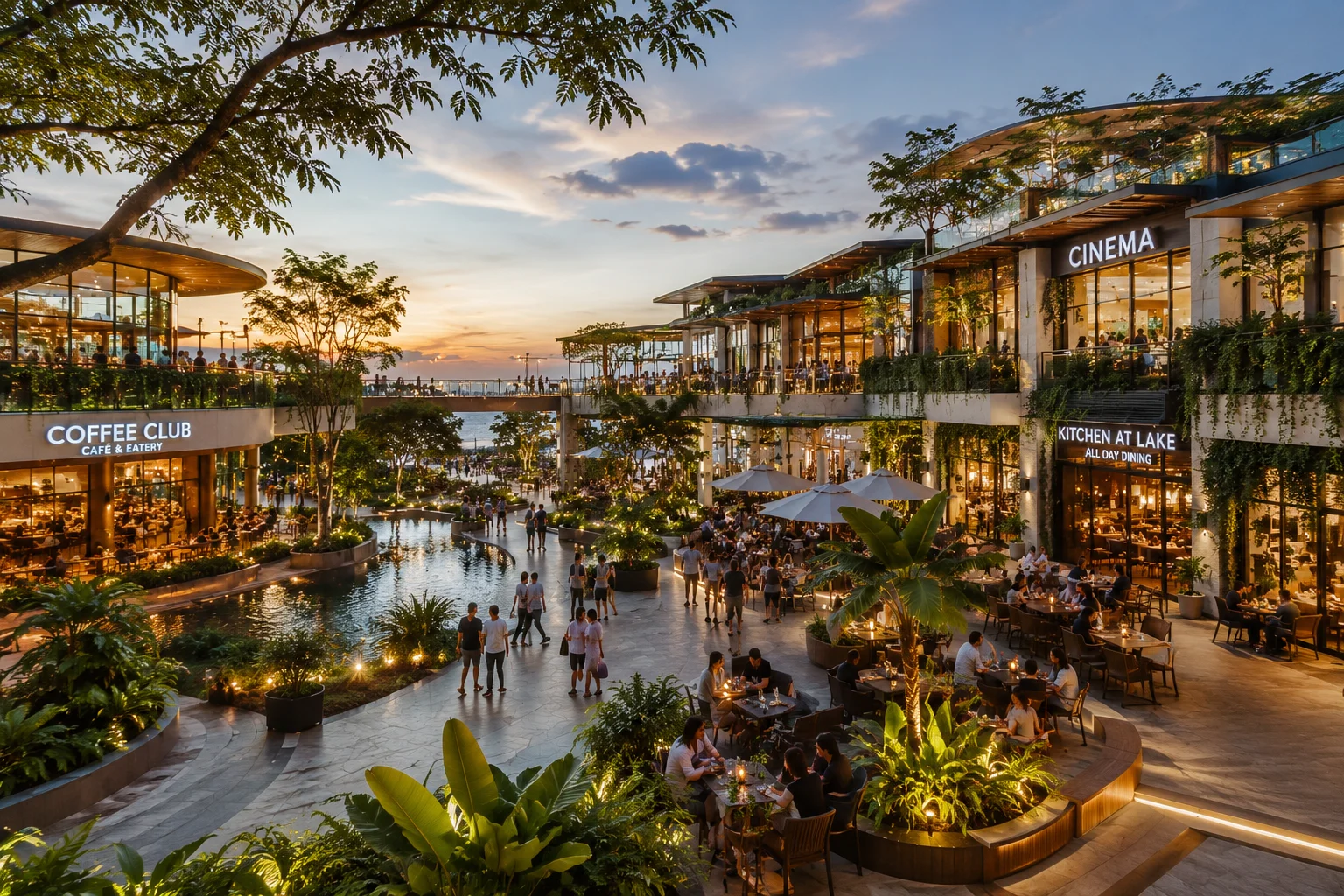
This is also why the atmosphere of a mall has become increasingly important. Natural light, greenery, open spaces, distinctive architecture, and comfortable seating can influence how people experience a destination. These elements make the environment feel less like a conventional commercial building and more like a place where people can spend their free time.
Dining Becomes Part of the Experience
Food is one of the strongest elements of modern mall development. Restaurants and cafés can encourage visitors to stay longer while also creating spaces for social interaction.
Modern destinations may include casual restaurants for families, cafés for informal meetings, dessert venues, specialty culinary concepts, and restaurants designed for evening dining. Instead of simply providing a place to eat between activities, dining can become one of the main reasons people choose to visit.
This is especially relevant in Indonesia, where food plays an important role in social gatherings. Meeting friends over coffee, having dinner with family, or trying a new restaurant can naturally become part of a mall visit.
For tourism destinations, this combination can be particularly valuable because visitors can integrate dining into their travel itinerary without having to move between multiple locations.
Entertainment Gives People More Reasons to Stay
Another major change is the increasing role of entertainment. A modern mall can include cinemas, live performances, children’s activities, interactive attractions, exhibitions, and seasonal events.
Entertainment helps create a destination that appeals to different age groups. Parents may appreciate convenient dining, children can participate in family activities, and groups of friends can spend an evening watching a movie or enjoying live music.
Events are particularly effective because they can change the atmosphere of a destination over time. A weekend performance, cultural event, art installation, or seasonal celebration can give people a reason to return even if they have visited the same location before.
This creates a more dynamic environment where the mall itself becomes part of the entertainment calendar.
Architecture and Open Spaces Matter More
The physical design of malls is also evolving. Instead of relying exclusively on enclosed corridors and conventional storefront layouts, some newer developments incorporate outdoor areas, gardens, terraces, waterfront spaces, and open-air walkways.
These features can make a significant difference in tropical countries such as Indonesia. Visitors may appreciate having the option to move between air-conditioned interiors and outdoor environments depending on the weather and time of day.
Architecture can also contribute to the identity of a destination. Distinctive buildings, landscaped courtyards, public art, water features, and visually interesting gathering spaces can create memorable environments that visitors associate with a particular place.
In this context, the mall becomes more than a functional building. It can become part of the destination’s visual and social identity.
Malls as Social Spaces
One of the most interesting developments is the growing importance of malls as social spaces.
People do not always visit a mall with a specific task in mind. They may come to meet friends, spend time with family, have a casual conversation, or find somewhere comfortable to relax. This makes seating areas, cafés, restaurants, public spaces, and event areas increasingly important.
A well-designed destination can accommodate different levels of social interaction. Someone might want a quiet corner to enjoy coffee, while a larger group may prefer a restaurant or open gathering space.
This flexibility is one reason lifestyle-oriented destinations can remain active throughout different parts of the day.
Family-Friendly Experiences
Families are another important audience for modern mall development. Parents often look for destinations where different members of the family can enjoy themselves without requiring separate trips.
Family-friendly environments may include children’s play areas, entertainment venues, restaurants with varied menus, comfortable seating, accessible facilities, and spaces where parents can take a break.
The goal is not simply to provide activities for children. A successful family destination should allow parents and children to enjoy the same visit in different ways.
For example, a family might have lunch together, let the children enjoy an entertainment activity, take a break at a café, and then attend an event. Having these options in one location can make a day out considerably easier.
The Role of Malls in Tourism Destinations
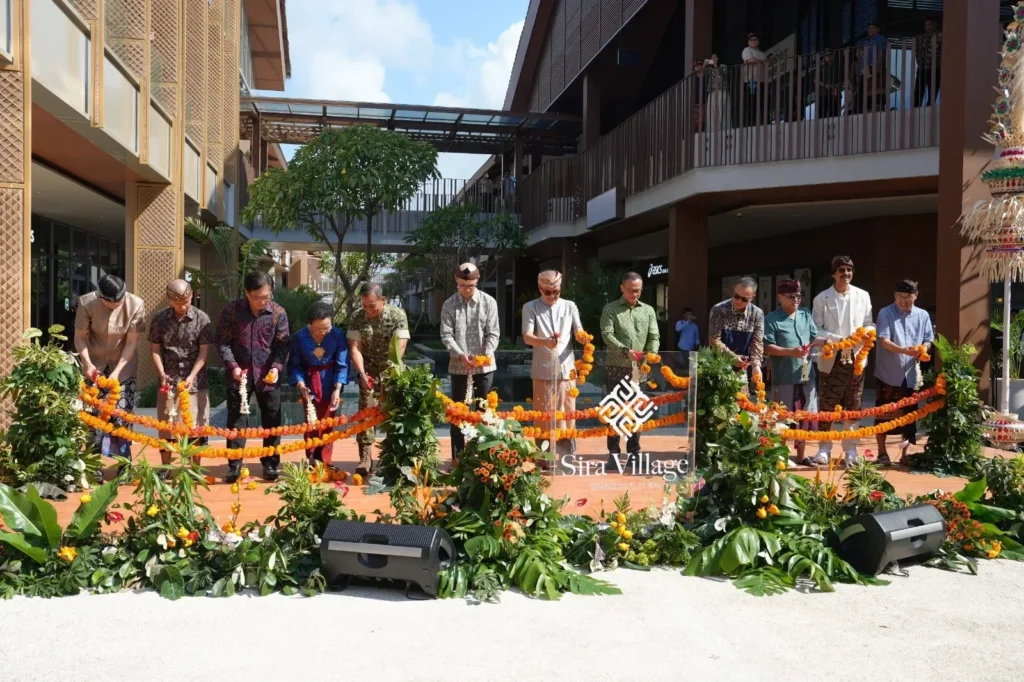
The evolution of malls is especially interesting in destinations that receive large numbers of tourists.
Tourists often have limited time and want to combine multiple activities within their itinerary. A destination that offers dining, entertainment, leisure, events, and attractive public spaces can therefore complement more traditional sightseeing activities.
Bali is a particularly interesting example because its tourism identity is strongly connected to outdoor experiences. Beaches, temples, nature, and cultural attractions remain important, but visitors also need comfortable alternatives when they want a break from the heat, rain, or busy sightseeing schedule.
This creates an opportunity for modern mall developments to become part of the broader tourism ecosystem.
For visitors interested in discovering a new mall in bali, the experience can be about more than simply visiting a commercial center. A newer destination may offer a combination of dining, entertainment, architecture, social spaces, and leisure that fits naturally into a modern Bali itinerary.
Malls and the Future of Urban Leisure
The transformation of malls reflects a broader change in how people use urban spaces. Commercial destinations increasingly need to compete for people’s time, not simply their spending.
This means creating environments that encourage visitors to stay, interact, explore, and return.
Research and industry analysis have increasingly discussed this movement toward experience-led destinations. The shift can be seen in developments that combine retail with dining, entertainment, community activities, and lifestyle facilities.
For developers, this creates a different set of priorities. The success of a destination can depend not only on its tenants but also on its atmosphere, accessibility, architecture, programming, and ability to create memorable experiences.
What Makes a Modern Mall Successful?
Several elements can contribute to the success of a contemporary mall destination:
1. A diverse dining scene
Restaurants, cafés, desserts, and culinary concepts give visitors reasons to stay throughout different times of the day.
2. Entertainment options
Cinemas, performances, family attractions, and events make the destination more dynamic.
3. Comfortable public spaces
Seating areas, landscaped environments, terraces, and open spaces provide opportunities to rest and socialize.
4. Distinctive architecture
A recognizable design can strengthen the identity of a destination and make it more memorable.
5. Family-friendly facilities
Facilities and activities that accommodate different age groups make destinations more useful for families.
6. Regular events
Seasonal programs, cultural activities, exhibitions, and performances can encourage repeat visits.
7. A strong sense of place
The most memorable destinations often connect their design and atmosphere with the surrounding city, neighborhood, or tourism environment.
Frequently Asked Questions
What is a lifestyle mall?
A lifestyle mall is a modern commercial destination that combines traditional mall functions with dining, entertainment, leisure, social spaces, events, and other experiences. Its purpose is to create a broader destination rather than focusing on one type of activity.
How are malls in Indonesia changing?
Malls are increasingly incorporating dining, entertainment, events, family activities, open spaces, and lifestyle facilities. The focus is gradually expanding from commercial transactions toward creating experiences that encourage visitors to spend more time at the destination.
Why are entertainment facilities important in modern malls?
Entertainment gives visitors additional reasons to visit and stay longer. Cinemas, live performances, family activities, exhibitions, and events can attract different audiences and make the destination feel more dynamic.
Are malls becoming part of tourism experiences?
Yes. In major tourism destinations, modern malls can complement sightseeing by providing dining, entertainment, leisure, and comfortable indoor spaces. They can be particularly useful when visitors want an alternative to outdoor activities.
What should visitors look for in a modern mall?
Visitors can consider the overall mix of dining, entertainment, family facilities, public spaces, architecture, events, and accessibility. The best choice depends on whether the goal is socializing, relaxing, spending time with family, or enjoying an evening out.
Final Thoughts
The mall in Indonesia is no longer limited to the traditional idea of a commercial center. As visitor expectations evolve, destinations are increasingly becoming places to eat, socialize, relax, enjoy entertainment, attend events, and spend quality time with family.
This transformation is creating a new generation of lifestyle destinations where the experience extends beyond the walls of individual businesses. Architecture, public spaces, dining, entertainment, and programming all contribute to how visitors perceive a place.
For Bali in particular, this evolution creates an interesting opportunity. A modern mall can complement the island’s tourism environment by offering a different kind of experience—one that combines convenience with leisure while still reflecting the destination’s tropical and social character.