Komodo Liveaboard Diving for Manta Rays, Current-Fed Reefs, and Island Adventure
A Komodo liveaboard is one of the most exciting ways to explore Komodo National Park, a destination where dramatic island scenery meets some of Indonesia’s most dynamic diving. From manta rays and reef sharks to macro life, soft corals, and powerful currents, Komodo offers a high-energy experience for divers who want variety.
Why Komodo Is More Than a Dragon Destination
Komodo is globally famous for the Komodo dragon, but divers know the national park for its underwater intensity. UNESCO identifies Komodo National Park as a global conservation priority area, encompassing both terrestrial and marine ecosystems and covering 219,322 hectares.
The park includes rugged islands, dry savanna landscapes, coral-rich waters, mangroves, seagrass beds, reefs, and current-fed dive sites. For divers, this combination offers a rare journey where land excursions, scenic sailing, and world-class underwater exploration can all be included in the same itinerary.
Why Liveaboard Is the Best Format
Komodo’s dive sites are spread across north, central, and south areas, each with different conditions. Day trips can be rewarding, but they often limit how far travellers can go. A Komodo liveaboard allows divers to stay within the park area and move according to tide, current, visibility, and marine activity.
This is important because Komodo is not a passive diving destination. Currents can be strong, and timing can shape the whole experience. A liveaboard with experienced guides gives divers more flexibility to reach the right sites at the right time.
Data Points That Matter
Wallacea Dive Cruise promotes 10-night Komodo National Park itineraries, with listed trips aboard Seahorse and prices starting from €5,450 per guest on selected departures. The length of these itineraries matters because Komodo deserves time. Short trips may cover famous locations, but longer liveaboards allow divers to experience a broader range of conditions and marine habitats.
UNESCO’s 219,322-hectare figure also helps position Komodo as more than a dive playground. It is a protected landscape and seascape with global conservation significance.
What Divers Can See in Komodo
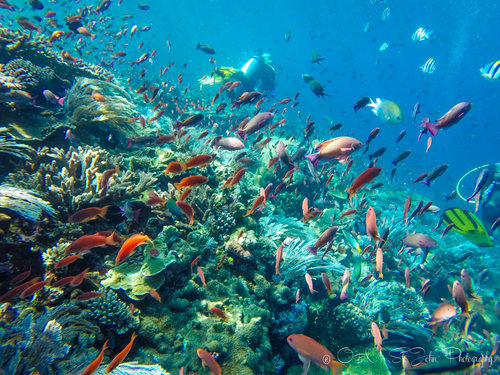
Wallacea highlights South Komodo for manta rays, vibrant reefs, soft corals, and cooler waters that create dynamic dive conditions. Species listed on the Komodo page include reef sharks, barracudas, frogfish, pygmy seahorses, and oceanic manta rays.
This range is what makes a Komodo liveaboard so compelling. Divers may experience pelagic action on one dive, macro subjects on another, and coral gardens later the same day. It is a destination that rewards flexibility and curiosity.
The Role of Currents
Komodo’s currents are part of its identity. They bring nutrients, create fish movement, and support intense marine encounters. They can also make certain dives more challenging. For this reason, divers should choose operators who understand timing, site selection, and safety briefings.
A good Komodo itinerary is not simply a list of famous sites. It is a sequence of decisions. When should the boat move north or south? When should divers enter a manta site? When is a reef too strong for a safe dive? These operational choices are what separate a basic trip from a genuinely well-run liveaboard experience.
Who Should Choose Komodo?
Komodo is ideal for divers who want variety and energy. It suits intermediate to advanced divers, underwater photographers, and travellers who enjoy both landscapes and marine life. It is also attractive to snorkellers who want dramatic island views, clear bays, and the chance to see manta rays from the surface.
The Komodo liveaboard format is especially useful for travellers who want to reduce the number of daily transfers. Instead of returning to Labuan Bajo each evening, guests stay close to the national park and experience sunrise, sunset, night anchorage, and a remote-island atmosphere from the boat.
Best Season to Dive Komodo
Wallacea notes that its liveaboards visit Komodo National Park only during the dry season, from June to October. This period is described as favourable for manta encounters in several spots, including Manta Alley in South Komodo, as well as impressive dry-season landscapes.
Seasonality is a key part of planning. Travellers should not only ask “Is Komodo good for diving?” but “When is Komodo best for the kind of diving I want?” For manta rays, photography, and smoother route planning, the dry-season schedule is especially relevant.
Final Thoughts
A Komodo liveaboard brings together the strongest elements of the national park: wildlife, powerful currents, reef diversity, manta rays, macro life, and cinematic island scenery. It is not the easiest diving in Indonesia, but it is among the most rewarding. For travellers who want an active, varied, and memorable dive journey, Komodo remains one of the country’s most iconic liveaboard destinations.